Preparing for Post-Holiday Shipping: Logistics Efficiency Moves for Q1 2026
- Dec 15, 2025
- Retail Fulfillment

January brings a fresh start to the year, but for e-commerce sellers, it can feel like an operational crash after the busy holiday season. Surging order volumes, tight carrier capacity, and nonstop order fulfillment keep sellers hopping in Q4. Come January, sales typically decline, but that doesn’t mean merchants aren’t busy. Returns increase, inventory accuracy is put to the test, and shipping processes that made it through the holiday surge can start to show inefficiencies. What feels like a cooldown for customers is actually a critical transition window for online retailers.
As the dust settles from peak season, the focus should shift from speed to strategy. Backlogged orders must be cleared, reverse logistics must be managed, and shipping teams must stay on the ball as they are tasked with reorganizing warehouses, evaluating carrier performance, and establishing fulfillment processes for the year ahead. When done right, January can be an opportunity to strengthen operations and set your business up for a far more efficient and profitable 2026.
The holiday season drives a surge in orders and shipments. Once the Q4 ecommerce rush ends, sellers typically experience a quieter, less predictable period. There are several moves that sellers can make to cement brand loyalty, improve efficiency, save money, and set themselves up for growth in the coming year.
1. Stay On Top of Inventory
After the holiday rush, inventory levels can be unpredictable, with some items overstocked and others depleted. Reviewing your stock, adjusting reorder points, updating safety stock levels, and planning or upcoming promotions or seasonal trends to look for inventory sellers solutions now can help prevent shortages or excesses in the months to come so you can meet customer demand without tying up unnecessary capital.
2. Organize Your Warehouse
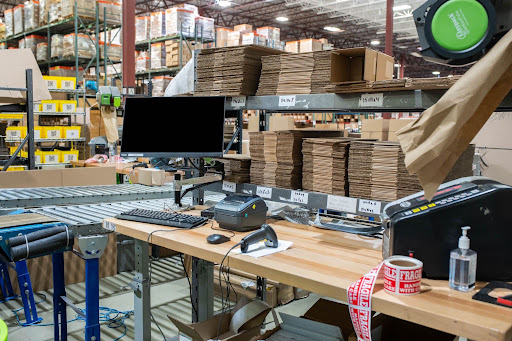
The post-holiday period is an ideal time to tidy up and optimize your warehouse layout. Streamlined storage and clearly labeled inventory make picking and packing faster, reduce errors, and improve overall efficiency. A well-organized warehouse will also help your team handle returns and new shipments more smoothly in Q1.
3. Assess Shipping Schedules
Shipping schedules that worked during the holiday surge may not be efficient during slower periods. Reviewing carrier performance, transit times, and delivery windows post peak season helps you identify opportunities to reduce costs or improve service. Assessing shipping schedules is also important for ensuring that fulfillment processes remain flexible and cost-effective throughout the year.
4. Analyze Operational Inefficiencies
January is an ideal time for sellers to review any operational inefficiencies that emerged during the holiday peak and fine-tune their fulfillment processes for a more efficient year ahead. Companies should evaluate their supply chain, warehouse management, and transportation processes to identify areas for improvement or determine whether it is time to partner with a third-party logistics (3PL) provider or switch to an outsourced logistics partner who is better suited to handle their growth.
5. Establish Updated Fulfillment Processes
January is the perfect time to review and refine your fulfillment workflows based on lessons learned during the holiday rush. Updating order picking, packing, and shipping processes now – perhaps with an investment in automated processes - can help reduce errors, improve delivery speed, and contribute to overall smoother operations throughout the year.
6. Negotiate Shipping Rates
With demand slowing, freight costs often decrease in January, which gives e-commerce businesses an opportunity to secure better shipping rates. Companies should take advantage of lower demand to secure favorable long-term shipping rates, while remaining mindful that carriers may adjust prices based on fuel, labor, or available capacity.
7. Manage Post-Holiday Returns and Reverse Logistics Efficiently
One of the most significant challenges in January for online sellers is managing the volume of returns that flood in after the holiday season. Thankfully, this challenge also provides a huge opportunity to build consumer trust and brand loyalty. By implementing a fair and effective returns policy, brands show that they care about the customer experience and garner goodwill for future purchases.
8. Forecast to Prepare for Seasonal Fluctuations
January is a good time to review data from the previous year to forecast seasonal fluctuations in demand for the upcoming months and create a plan to manage this demand. With predictive analytics and modern Warehouse Management Systems (WMS), companies can more accurately forecast demand surges and proactively manage staffing, inventory, and shipping capacity. With better forecasts, logistics providers can also better match their resources to each client’s projected demand and avoid capacity shortages during peak periods.
9. Consider Investing in Logistics Technology/Partnering with a 3PL that Offers Logistics Technology
Technology will continue to be a major driver in improving logistics efficiency in the years to come. By investing in technology, merchants can improve tracking, speed up delivery times, and reduce errors that stagnate growth. When a certain order volume is reached, many e-commerce businesses choose to outsource logistics in order to gain access to the most updated technology.
In summary, while the post-holiday period in January come with slowdown and uncertainty, it also presents an opportunity to create loyal customers, improve efficiency, reduce costs, and prepare for future demand. By focusing on process optimization, investing in technology, and planning for seasonal fluctuations, companies can set themselves up for a successful 2026.
Were you able to hit your Service Level Agreements (SLAs) to get orders out on time in Q4? How well is your team managing product returns as we pivot to Q1? If logistics held you back from reaching your goals during the holiday season, it may be time to consider partnering with a 3PL or switching to a 3PL that can help you streamline your workflow, reduce delays, and help you consistently meet customer expectations.
Agile fulfillment is the answer to easily scaling up or down for peak and slow seasons. If logistics held you back during Q4, G10 can help. If you’re ready for 3PL shipping support that can help your business scale efficiently and manage the ebb and flow of the seasons, click here to request a quote.
Transform your fulfillment process with cutting-edge integration. Our existing processes and solutions are designed to help you expand into new retailers and channels, providing you with a roadmap to grow your business.
Since 2009, G10 Fulfillment has thrived by prioritizing technology, continually refining our processes to deliver dependable services. Since our inception, we've evolved into trusted partners for a wide array of online and brick-and-mortar retailers. Our services span wholesale distribution to retail and E-Commerce order fulfillment, offering a comprehensive solution.