How Warehouse Robotics Integration Transforms Lithium Ion Battery Fulfillment
- Dec 8, 2025
- Batteries

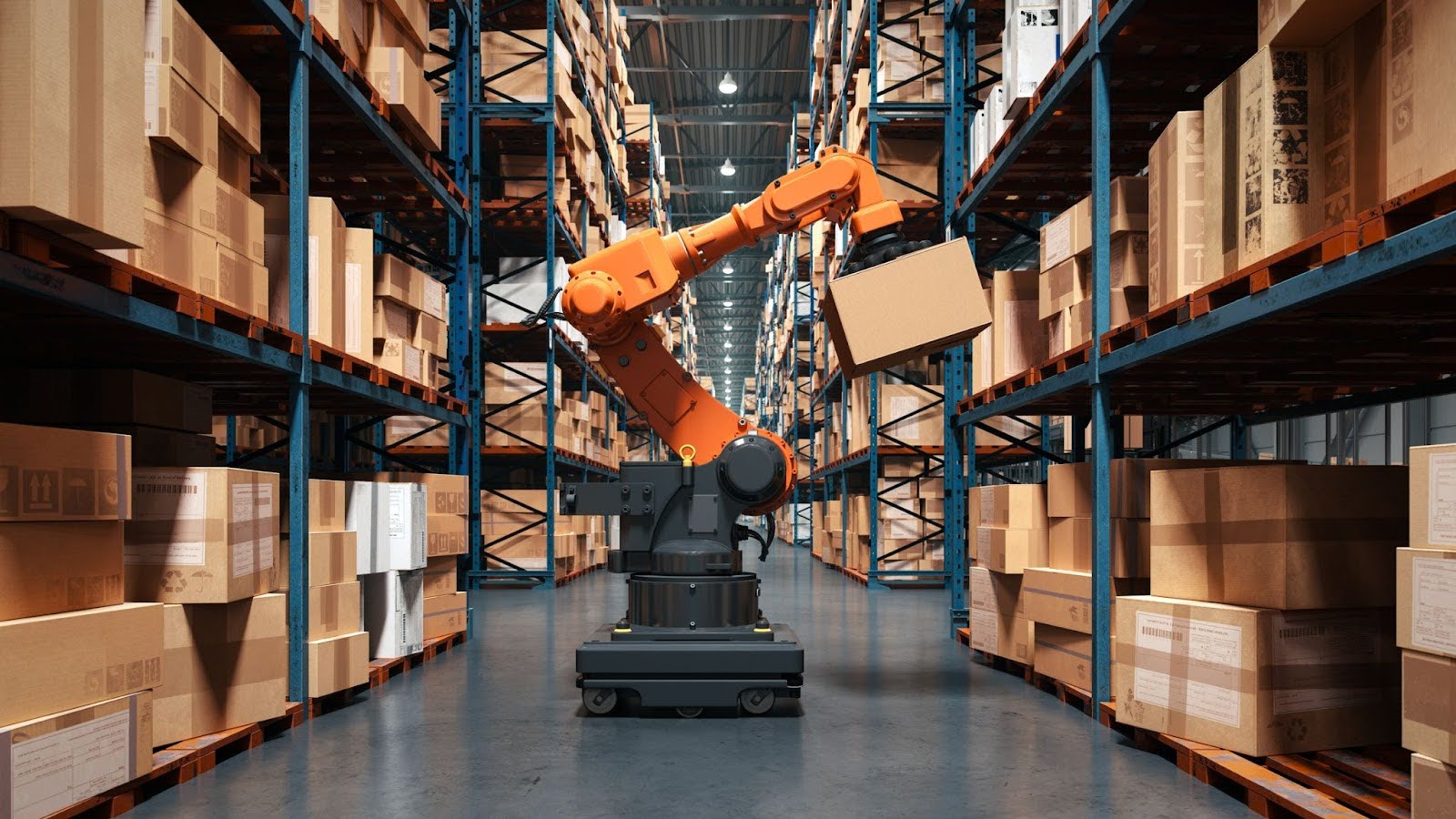
Robotics used to be a futuristic dream for warehouses. Today it is a necessity, especially for brands working with lithium ion batteries. These products require precision handling, perfect labeling, meticulous routing, temperature aware movement, and aisle spacing that cannot be violated. Human teams can handle these rules well, but robotics make the process safer, faster, and dramatically more consistent.
Search interest for phrases such as warehouse robotics integration, automation for hazmat, and lithium battery robotic picking has grown as the market shifts toward rechargeable products. Battery powered goods are booming. The logistics systems that support them must evolve at the same pace.
Lithium ion batteries are regulated from the moment they arrive to the moment they ship. Robotics help eliminate human variability by enforcing consistent workflows and reducing errors that create safety or compliance risks.
Director of Fulfillment Connor Perkins highlighted what inconsistency costs: "You want everything to be scanned in the warehouse, nothing done on paper. You can lose a lot of money in this industry by having people ship stuff wrong, or store it wrong." Robots strengthen that discipline by scanning and recording every movement.
Battery aisles require spacing, clear pathways, and controlled movement. Robots navigate these layouts precisely, reducing congestion and preventing accidental impacts that can damage sensitive inventory. Their predictable motion supports safer workflows.
Director of Vendor Operations Kay Hillmann has seen how dense the relevant rulebook is: "There is a book almost four inches thick of the rules and regulations that the DOT requires for you to label, ship, and store hazardous materials." Robotics help teams honor that rulebook every time.
Every battery movement must be recorded. Every relocation must reflect watt hour class, temperature zone, and storage restrictions. Robots scan continuously and feed real time data into the warehouse management system.
CTO and COO Bryan Wright describes the standard: "A good WMS tracks inventory through the warehouse at every point that you touch it." Robotics keep that tracking uninterrupted.
Lithium ion demand spikes seasonally and unpredictably. Human teams get fatigued during peaks. Robots do not. They maintain speed, accuracy, and compliance no matter how many orders enter the system.
Director of Operations Holly Woods shared how G10 prepares for volume waves: "We start planning peak times months ahead of time. We run forecast models, staffing models, and we audit inventory, equipment." Robotics strengthen these plans by providing reliable throughput.
Big box retailers require flawless execution: correct labels, correct pallet builds, correct documentation. Robotics reduce mis-picks, mismatches, and labeling errors that trigger chargebacks.
VP of Customer Experience Joel Malmquist explained retailer scrutiny: "Walmart's pretty intense with their labeling rules. Dick's Sporting Goods is the same; if you do not do it right, you get those massive chargebacks." Robotics help ensure everything is done right the first time.
Lithium ion batteries cannot sit in hot zones, cold zones, or congested docks for long. Robotics systems follow programmed routes that avoid unsafe environments and deliver items quickly to pack stations.
Carriers expect clean staging lanes for lithium ion freight. Robots deliver cartons and pallets to the correct outbound zone without stacking errors, misplacements, or rushed shortcuts.
Chief Revenue Officer John Pistone summarized why carriers stay cautious: "Amazon does not want to touch hazmat for all of these reasons. They will not store it in their warehouses. They will not be responsible for shipping it." Robotics help warehouses demonstrate consistent, safe preparation.
Many brands assume robotics are a luxury add-on. Then they see how robotics eliminate errors, enforce compliance rules, reduce labor pressure, and improve carrier acceptance. For lithium ion categories, robotics become less of a luxury and more of a structural advantage.
G10 makes this shift easier. As Joel noted, "Every merchant here does have a direct point of contact." Robotics are integrated with human support, not used to replace it.
Robotics remove friction at every stage: inbound receiving, storage, picking, labeling, routing, and staging. They strengthen compliance by eliminating guesswork. They improve safety by reducing risky human variation. They give brands the confidence to scale without fear that operational cracks will widen under pressure.
If your brand is ready to integrate robotics into a lithium ion fulfillment system built for precision and growth, reach out and see how G10 can help create an automated workflow designed specifically for regulated battery products.
Transform your fulfillment process with cutting-edge integration. Our existing processes and solutions are designed to help you expand into new retailers and channels, providing you with a roadmap to grow your business.
Since 2009, G10 Fulfillment has thrived by prioritizing technology, continually refining our processes to deliver dependable services. Since our inception, we've evolved into trusted partners for a wide array of online and brick-and-mortar retailers. Our services span wholesale distribution to retail and E-Commerce order fulfillment, offering a comprehensive solution.



