The carrier divide: how consistent delivery shapes customer trust
- Nov 26, 2025
- Distribution

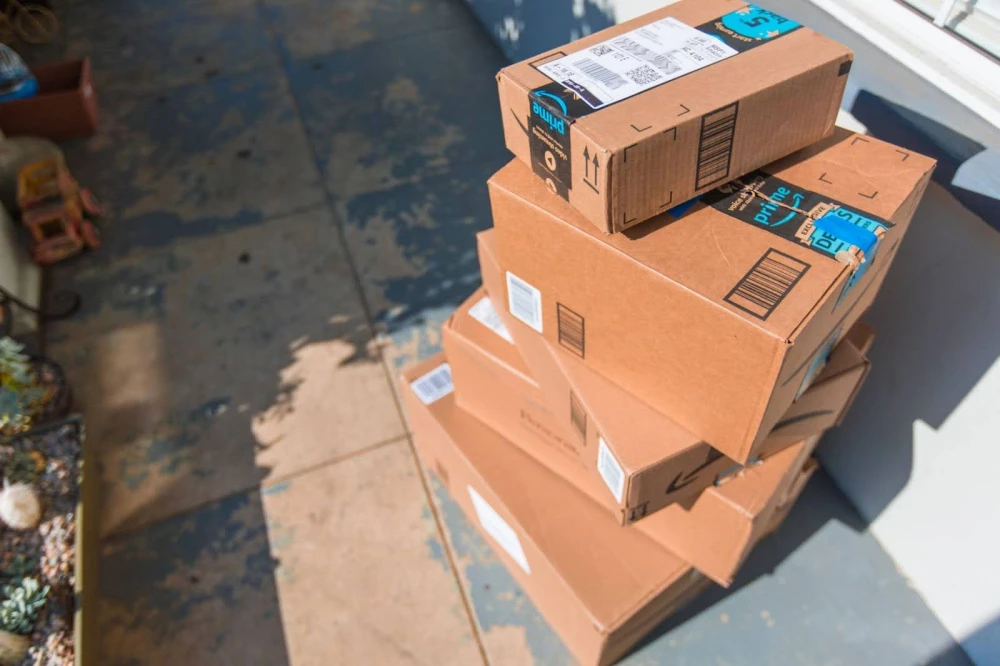
In modern e commerce, the delivery moment has become the most influential part of the customer journey. A shopper may feel impressed by a company's branding, the clarity of its product page, and the smoothness of checkout, yet the entire experience is ultimately judged by whether the package arrives when expected. Delivery performance is not simply one step of a process. It is the point at which every promise a brand makes is tested and confirmed. When it succeeds, the customer feels reassured. When it fails, the customer feels misled. That is why carrier selection is not a background decision. It is the foundation on which trust is built.
Regional carriers such as OnTrac often position themselves as fast and affordable alternatives within their specific territories. This appears attractive to companies searching for lower shipping rates or looking to support smaller networks. The challenge emerges when the shipment footprint expands or when orders do not align neatly with a regional carrier's strongest coverage. Because regional networks operate with limited infrastructure, they have fewer hubs, fewer contingency routes, and fewer scan events. Those limitations produce inconsistent visibility, longer periods with no tracking updates, and a greater likelihood of routing errors.
G10 sees the consequences of this instability whenever new clients describe their past shipping struggles. Connor Perkins, Director of Fulfillment at G10, noted that many companies arrive after dealing with slow fulfillment and unreliable shipping, explaining that in their previous systems, "fulfillment was slow, shipping was not shipped on time, accuracy was not there," and orders frequently sat longer than expected before leaving the warehouse. When the carrier introduces unpredictable delays or tracking confusion, customers lose confidence in the seller, not the network behind it.
Regional carriers also struggle with more complex operational requirements. As companies expand into wholesale or collaborate with large retailers, they must meet strict delivery windows, labeling rules, and pallet configurations. Networks that lack experience with retail compliance add risk with every shipment. These risks may not reveal themselves in low volume scenarios but become quite clear as order complexity increases.
Carrier performance can appear adequate under normal conditions, yet situations such as Black Friday, Prime Day, or seasonal spikes expose the true structural integrity of a network. National carriers are designed to absorb dramatic fluctuations in volume. They operate extensive hubs, maintain deeper staffing benches, and run logistics models capable of adjusting rapidly to elevated demand. Regional carriers, with their smaller footprints and simpler operations, often cannot match that capacity.
John Pistone, Chief Revenue Officer at G10, illustrated this contrast through a moment of extreme operational pressure. "We were behind at 8 p m, so we sent somebody with a flatbed to the FedEx hub. We hit 100 percent same day shipping for Prime Day." That rapid recovery was possible only because the carrier had the infrastructure to accept and process freight late into the night. During peak season, resilience is not a luxury. It is the difference between meeting expectations and facing an avalanche of customer complaints.
Customers judge companies by outcomes, not by operational complexity. When a package arrives late or with no tracking visibility, the customer does not consider whether the carrier experienced staffing shortages or a routing issue. The customer simply feels let down by the merchant. This effect compounds quickly and is reflected in reviews, customer service requests, and word of mouth sentiment.
Maureen Milligan, Director of Operations and Projects at G10, encounters this pattern frequently when companies transition to G10. She explained that many arrive because "their orders were not getting fulfilled in time, they were not able to satisfy customer orders." These companies were not struggling because of their product quality or marketing strategy. They were struggling because their carrier networks could not consistently deliver on their behalf.
Operational clarity plays a role in reputation as well. Without consistent scan events and reliable tracking data, neither customers nor merchants can see what is happening in real time. Bryan Wright, CTO and COO at G10, emphasized the importance of visibility, saying, "We have portals that show the data from the moment it hits the dock to the moment it gets on the truck." That level of insight depends on carriers whose internal processes support consistent information flow.
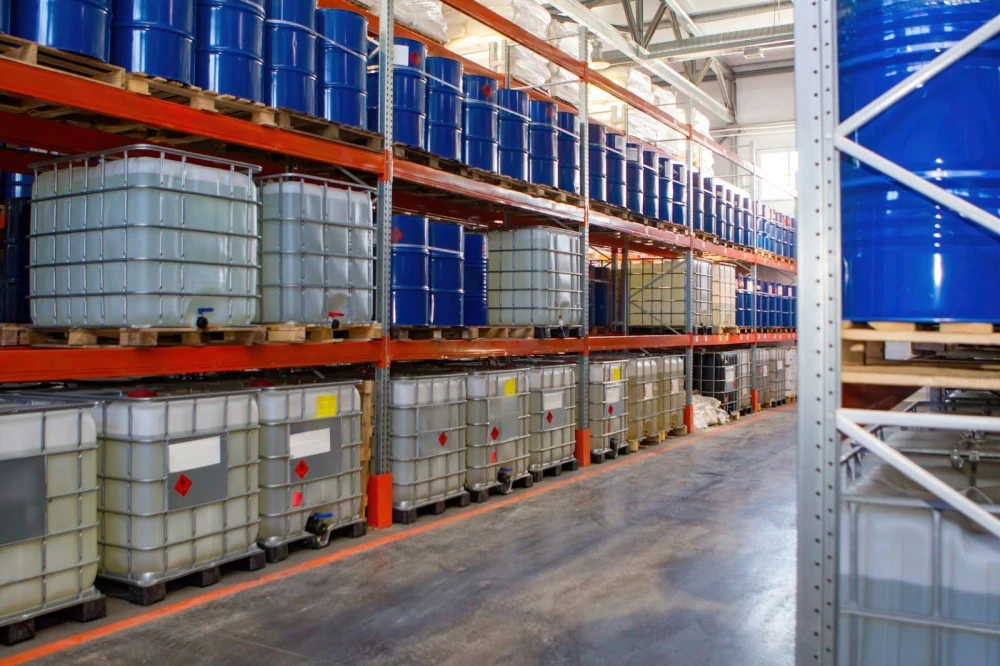
The more closely one looks at the shipping experience, the more apparent it becomes that delivery is not a logistical afterthought but a core part of customer trust. It influences satisfaction, repeat purchases, advocacy, and retention. It shapes how customers speak about a company and whether they choose to buy again. National carriers succeed in this environment because they can maintain reliability at scale, support complex product types including hazardous goods, and provide clearer visibility into each movement of a package. Kay Hillmann, Director of Vendor Operations at G10, spoke to this responsibility when she said, "We are certified in all hazardous materials. You have to make sure you are doing it legally, correctly, and safely."
For these reasons, G10 relies solely on UPS, USPS, FedEx, and DHL. These carriers offer the infrastructure, transparency, and predictability needed for companies that cannot afford surprises. They support the delivery promise that customers expect and brands depend on. In an environment where a single late package can overshadow an excellent product, consistency becomes a strategic advantage.
If you are beginning to feel the strain of inconsistent delivery times, tracking gaps, or growing customer frustration, you may be experiencing the natural limits of a carrier mix that no longer serves your goals. A smoother fulfillment experience does not require a reinvention of your business. It requires a steadier and more capable network behind it. If you want to explore how G10 uses national carriers to give clients a more predictable, more transparent, and more reliable delivery foundation, the team is ready to help you see what a stronger final mile can look like.
Transform your fulfillment process with cutting-edge integration. Our existing processes and solutions are designed to help you expand into new retailers and channels, providing you with a roadmap to grow your business.
Since 2009, G10 Fulfillment has thrived by prioritizing technology, continually refining our processes to deliver dependable services. Since our inception, we've evolved into trusted partners for a wide array of online and brick-and-mortar retailers. Our services span wholesale distribution to retail and E-Commerce order fulfillment, offering a comprehensive solution.